

The healthcare industry is entering a new phase of transformation as artificial intelligence (AI) begins to reshape how diseases are detected, diagnosed, and managed. Traditionally, diagnostic services have depended heavily on manual processes, specialised medical expertise, expensive equipment, and time-consuming analysis. While these methods remain essential, they can create challenges such as high operational costs, delayed diagnosis, limited specialist availability, and unequal access to healthcare services.
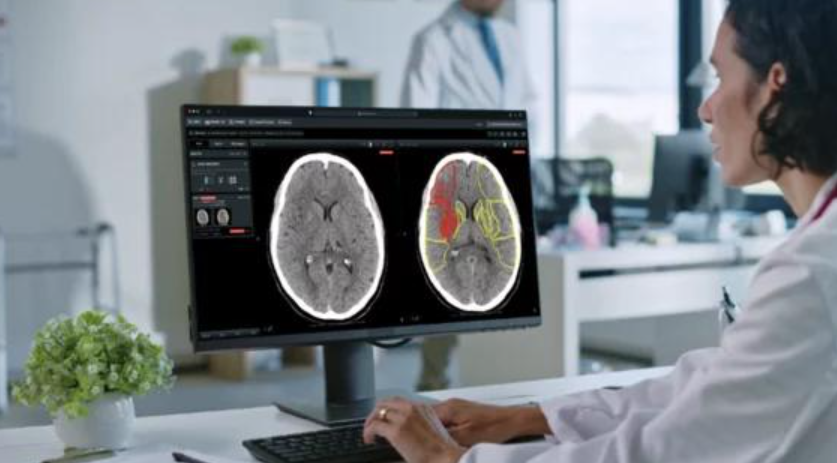
AI-powered diagnostics are emerging as a promising solution to these challenges. By combining machine learning, medical imaging, predictive analytics, and advanced data processing, AI technologies can help healthcare professionals identify potential health conditions more efficiently and support faster clinical decision-making. Beyond improving diagnostic capabilities, these innovations could also change the economics of healthcare delivery by reducing operational expenses, improving resource utilisation, and making diagnostic services more accessible.
The Growing Role of AI in Medical Diagnostics
AI is increasingly being integrated into different areas of medical diagnosis, including radiology, pathology, cardiology, ophthalmology, and laboratory testing. These systems can analyse large volumes of medical data, recognise patterns, and highlight abnormalities that may require further clinical investigation.
For example, AI-powered imaging tools can assist radiologists in reviewing X-rays, CT scans, and MRI images by identifying suspicious areas and prioritising cases that may need urgent attention. Similarly, machine learning algorithms can analyse pathology slides to help identify cellular abnormalities, while AI-based systems can support the interpretation of ECG readings and other diagnostic results.
This technology does not necessarily replace medical professionals. Instead, it acts as a decision-support tool that can help clinicians improve efficiency, manage workloads, and make more informed diagnostic decisions.
As AI adoption expands, healthcare providers may increasingly move towards diagnostic models that combine human expertise with automated analysis, creating opportunities to improve both service quality and operational performance.
How AI-Powered Diagnostics Could Reduce Healthcare Costs
One of the most significant economic benefits of AI-powered diagnostics is its potential to reduce the cost of delivering healthcare services. Diagnostic processes often involve multiple stages, including image analysis, laboratory testing, specialist consultations, documentation, and follow-up assessments. AI can help streamline several of these activities.
1. Improved operational efficiency
AI-powered systems can automate repetitive tasks such as image pre-screening, report preparation assistance, data organisation, and prioritisation of diagnostic cases. This can reduce administrative workloads and allow healthcare professionals to focus more time on complex cases and patient care.
2. Reduced diagnostic delays
Faster analysis and prioritisation of urgent cases can help shorten diagnostic turnaround times. Earlier identification of potential health conditions may also support timely treatment and reduce the likelihood of expensive complications.
3. Better utilisation of medical resources
Hospitals and diagnostic centres can use AI tools to manage patient volumes, organise workloads, and improve the utilisation of expensive diagnostic equipment. More efficient scheduling and resource allocation can help reduce operational bottlenecks.
4. Potential reduction in repeat testing
AI-assisted analysis may help improve consistency in diagnostic workflows and reduce certain avoidable repeat examinations. However, clinical verification and quality-control processes remain essential to ensure diagnostic accuracy.
Together, these improvements could help healthcare providers deliver diagnostic services more efficiently while managing rising operational costs.
Expanding Access to Affordable Healthcare
Another important opportunity lies in improving access to healthcare, particularly in rural and underserved regions. In countries such as India, access to specialised diagnostic services remains uneven, with advanced medical facilities and experienced specialists concentrated in larger cities.
AI-powered diagnostic platforms could help bridge this gap by enabling healthcare facilities to access automated analysis and remote specialist support. Smaller hospitals, clinics, and diagnostic centres may be able to use cloud-based AI solutions without investing heavily in specialised infrastructure or maintaining large teams of experts.
For instance, AI-assisted screening tools can help identify patients who may require further examination for conditions affecting the eyes, lungs, or cardiovascular system. These tools can support frontline healthcare workers in identifying potential health risks and referring patients for appropriate medical evaluation.
The expansion of digital diagnostics could also improve the reach of telemedicine services, allowing healthcare professionals to collaborate across geographical boundaries. This may reduce unnecessary travel for patients and lower the cost of accessing certain diagnostic services.
The Economic Impact on Hospitals and Diagnostic Centres
AI-powered diagnostics could significantly influence the business models of hospitals, pathology laboratories, and independent diagnostic service providers.
Healthcare facilities traditionally require substantial investments in medical equipment, specialised personnel, laboratory infrastructure, and operational management. AI integration introduces opportunities to improve productivity and generate greater value from existing resources.
Diagnostic centres may be able to process larger volumes of cases through more efficient workflows, while hospitals can use predictive analytics to improve resource planning and patient management. AI-powered platforms may also enable healthcare providers to introduce specialised digital diagnostic services and remote reporting solutions.
For diagnostic businesses, the economic opportunity is not limited to reducing expenses. It also includes improving service capacity, increasing turnaround speed, and expanding geographical reach.
However, these benefits depend on the cost of AI implementation, software licensing, infrastructure requirements, staff training, and the ability to integrate AI tools with existing hospital information systems.
The Role of Healthcare Technology Companies
The growing adoption of AI in diagnostics is creating opportunities for healthcare technology companies, medical device manufacturers, software developers, and digital health startups.
Companies such as Qure.ai, Lunit, and Aidoc are contributing to the development of AI-based diagnostic solutions.
Their technologies focus on areas such as medical imaging analysis, clinical workflow automation, and the identification of abnormalities in diagnostic scans.
In India, the growing digital healthcare ecosystem is creating opportunities for technology providers to develop solutions suited to local healthcare requirements. These include affordable diagnostic platforms, AI-assisted screening systems, cloud-based reporting solutions, and tools designed for smaller healthcare facilities.
As healthcare providers increasingly explore digital transformation, partnerships between hospitals, diagnostic laboratories, and technology companies could become an important driver of innovation.
Challenges in Adopting AI-Powered Diagnostics
Despite its potential, the adoption of AI-powered diagnostics involves several challenges that healthcare organisations must address.
Data privacy and security: AI diagnostic systems require access to medical information, making patient data protection and secure information management essential.
Diagnostic accuracy and reliability: AI models may produce incorrect results or perform differently across patient populations. Clinical validation and human oversight are necessary before relying on their recommendations.
High initial investment: Implementing AI solutions may require investments in software, computing infrastructure, equipment upgrades, and workforce training.
Regulatory and ethical considerations: Healthcare providers must ensure that AI tools meet applicable regulatory requirements and maintain transparency, accountability, and patient safety.
Integration with existing systems: Connecting AI platforms with hospital management systems, electronic health records, and laboratory infrastructure can be technically challenging.
Addressing these issues will be critical to ensuring that AI-powered diagnostics deliver sustainable economic and clinical benefits.
The Future of AI-Powered Diagnostics
The future of AI-powered diagnostics is expected to be shaped by more advanced machine learning models, predictive healthcare solutions, cloud-based diagnostic platforms, and greater integration with digital health infrastructure. AI systems may increasingly support the identification of disease risks at earlier stages, enabling healthcare providers to move towards more preventive and personalised approaches to patient care.
Another important development will be the growing use of AI-powered diagnostic platforms in smaller hospitals, rural clinics, and independent laboratories. As technology becomes more accessible, healthcare providers may be able to expand diagnostic capacity without proportionately increasing operational resources. The integration of AI with electronic health records, telemedicine, and remote monitoring solutions could further improve coordination between healthcare professionals and patients.
Over time, these advancements could shift healthcare economics from a model heavily dependent on expensive, resource-intensive diagnostic processes towards more efficient, data-driven service delivery. However, achieving this transformation will depend on clinical reliability, responsible implementation, affordable technology, and appropriate regulatory oversight.
Conclusion
AI-powered diagnostics have the potential to transform not only how diseases are detected but also how healthcare services are delivered and financed. By improving diagnostic efficiency, reducing administrative workloads, supporting earlier disease identification, and optimising medical resources, AI could help healthcare providers manage costs while expanding access to essential diagnostic services.
For hospitals, laboratories, healthcare startups, and technology companies, this transformation presents significant opportunities to develop more efficient and scalable healthcare models. However, the long-term success of AI in diagnostics will depend on maintaining clinical accuracy, protecting patient information, addressing implementation costs, and ensuring that technology supports rather than replaces medical expertise.
As healthcare systems continue to embrace digital innovation, AI-powered diagnostics could become an important driver of more affordable, accessible, efficient, and patient-centred healthcare delivery.

Leave a Reply