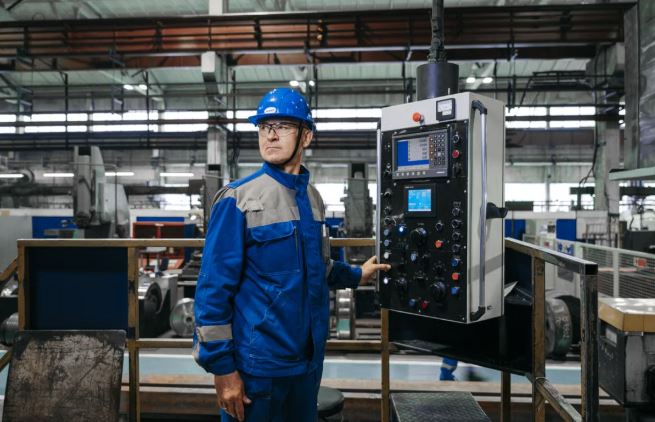

The United States is entering a new phase of industrial growth as advanced technologies reshape the way products are designed, manufactured and delivered. Artificial intelligence, robotics, automation, advanced materials and digital production systems are gradually changing traditional factories into smarter, more connected and efficient manufacturing facilities.
This transformation is creating opportunities across the American business landscape. Manufacturers are investing in modern production capabilities to improve efficiency, manage operating costs and strengthen supply chains. At the same time, technology companies, engineering firms, software developers and industrial suppliers are finding new markets as businesses seek solutions that can support next-generation production.
The growing importance of advanced manufacturing also reflects the United States’ efforts to strengthen domestic industrial capacity and reduce dependence on vulnerable international supply chains. From semiconductor production and electric vehicle components to aerospace, pharmaceuticals and clean energy equipment, technology-led manufacturing is becoming an important contributor to industrial competitiveness.
For businesses, the shift represents more than an upgrade in factory operations. It is opening opportunities to develop new products, improve production quality, attract investment and build stronger connections between the manufacturing and technology sectors.
Artificial Intelligence Is Making Manufacturing More Efficient
Artificial intelligence is becoming an increasingly important part of modern manufacturing. Companies are using AI-powered systems to analyse production data, identify operational problems, monitor equipment performance and improve product quality.
Instead of relying entirely on manual inspections and scheduled maintenance, manufacturers can use intelligent systems to identify unusual machine behaviour and anticipate potential equipment failures. This helps businesses reduce unexpected production interruptions, manage maintenance expenses and make better use of their manufacturing capacity.
According to the National Institute of Standards and Technology (NIST), approximately 46% of manufacturers were already using AI tools, while more than 80% expected to increase their use of AI over the following two years.
For manufacturing companies, these developments can translate into better productivity, improved quality control and more informed operational decisions.
The technology sector is also benefiting from this growing demand. Businesses developing industrial AI software, machine vision systems, predictive maintenance platforms and data analytics solutions have opportunities to serve manufacturers looking to modernise their operations.
Small and medium-sized manufacturers can benefit as well. Rather than investing in entirely new production facilities, they can introduce targeted AI applications to improve inventory management, reduce defects and streamline individual manufacturing processes.
Robotics and Automation Are Transforming Factory Operations
Robotics and industrial automation are changing how American factories manage repetitive, complex and physically demanding activities.
Modern robotic systems can perform material handling, component assembly, welding, packaging and quality inspection with a high degree of consistency. Collaborative robots, commonly known as cobots, are also allowing machines to work alongside human employees in appropriately designed production environments.
For manufacturers, automation can improve production speed, reduce repetitive manual tasks and support consistent product quality. It can also help companies manage labour shortages and increase production capacity without relying entirely on expanding their workforce.
The business opportunity extends to companies supplying industrial robots, machine vision equipment, automation software, sensors and engineering services.
Technology startups can also enter this market by developing specialised automation solutions for industries such as automotive manufacturing, electronics, food processing and pharmaceuticals.
However, successful automation requires more than purchasing robotic equipment. Manufacturers must consider installation costs, employee training, system integration and long-term maintenance. Companies that can provide complete automation solutions, rather than individual machines alone, may find stronger opportunities in this expanding market.
Digital Twins and Smart Factories Improve Production Planning
Digital twin technology is introducing a new approach to industrial planning and production management. A digital twin is a virtual representation of a physical machine, production line or manufacturing facility that uses operational data to simulate and analyse real-world performance.
Manufacturers can use these virtual models to test production changes, evaluate equipment performance and identify potential problems before making expensive physical modifications.
This capability can be particularly valuable when establishing new factories or expanding existing facilities. Businesses can assess production layouts, equipment requirements and operational processes digitally, helping them make more informed investment decisions.
The US government has also recognised the importance of digital manufacturing technologies through its wider advanced manufacturing initiatives.
For technology companies, digital twins create opportunities in industrial software, simulation platforms, engineering consultancy, cloud infrastructure and industrial data management.
Manufacturing businesses can benefit through improved planning, reduced development risks and more efficient use of equipment and resources.
As industrial operations become increasingly connected, demand for companies capable of integrating digital models with real-time production systems is expected to create further business opportunities.
Industrial IoT and Cloud Computing Strengthen Supply Chains
The Industrial Internet of Things (IIoT) is helping manufacturers connect machines, sensors, inventory systems and production facilities through digital networks.
These connected systems allow businesses to monitor manufacturing activities and access operational information in real time. Managers can track equipment performance, monitor inventory levels and identify delays across different stages of production.
Cloud computing further supports this process by allowing businesses to store, analyse and share large volumes of industrial data without depending entirely on traditional on-site infrastructure.
For manufacturers operating across multiple locations, these technologies can improve coordination between factories, suppliers and distribution partners.
The commercial benefits include better inventory planning, improved production visibility and faster responses to changes in customer demand.
This is also creating opportunities for cloud service providers, industrial software developers, cybersecurity firms and data analytics companies.
As manufacturing networks become more digitally connected, protecting operational systems and sensitive business information will become increasingly important. Cybersecurity providers that understand industrial environments can therefore serve a growing market.
3D Printing and Advanced Materials Support Flexible Production
Additive manufacturing, commonly known as 3D printing, is creating new possibilities for product development and industrial production.
Unlike conventional manufacturing processes that remove material from a larger block, additive manufacturing builds components layer by layer using specialised materials. This approach can support complex designs, rapid prototyping and customised production.
Industries such as aerospace, automotive, healthcare and industrial machinery are exploring these capabilities to develop lightweight components, specialised equipment and replacement parts.
Advanced materials, including high-performance composites, lightweight alloys and engineered materials, are also helping manufacturers develop products with improved strength, durability and performance.
For businesses, these developments can reduce product development time, support design innovation and create opportunities for specialised manufacturing services.
Technology companies can benefit by supplying industrial 3D printers, design software, material solutions and production engineering services. Smaller manufacturers can also explore specialised production without necessarily investing in large conventional manufacturing facilities.
The growing use of advanced materials is further creating opportunities for research companies, material suppliers and businesses working on industrial testing and product development.
Semiconductor Investments Strengthen America’s Manufacturing Ecosystem
Semiconductor manufacturing is one of the most strategically important areas of advanced industrial development in the United States. Chips are essential components in artificial intelligence systems, automobiles, telecommunications equipment, consumer electronics and industrial machinery.
The CHIPS and Science Act has supported efforts to expand domestic semiconductor research, development and manufacturing capacity.
According to the Semiconductor Industry Association, companies across the semiconductor ecosystem had announced more than US$828 billion in private investment commitments across over 160 projects in 30 states as of September 2026. These announced projects are expected to support substantial employment and expand manufacturing activity across the country.
The investment opportunity extends beyond semiconductor manufacturers themselves.
Chip production requires specialised machinery, advanced materials, engineering services, industrial software, precision components and complex supply-chain support. This creates opportunities for equipment manufacturers, technology suppliers, construction companies and specialist engineering businesses.
Small and medium-sized enterprises can also participate by supplying components, providing maintenance services and developing specialised solutions for semiconductor facilities.
As domestic production capacity expands, companies with reliable technical capabilities and strong quality standards can explore opportunities within the wider semiconductor supply chain.
Reshoring Creates New Opportunities for Domestic Manufacturers
Supply-chain disruptions and growing interest in domestic industrial capacity are encouraging American businesses to reconsider where and how their products are manufactured.
Reshoring, which involves bringing production activities back to the United States, is becoming an important consideration for companies seeking greater control over sourcing, manufacturing schedules and delivery operations.
Government-backed industrial initiatives and private-sector investments are supporting the development of manufacturing capacity in areas such as semiconductors, electric vehicle components, batteries, pharmaceuticals and clean energy technologies.
For domestic manufacturers, this creates opportunities to secure new contracts and develop relationships with larger industrial companies.
Suppliers of raw materials, machinery, electronic components, packaging and industrial services can also benefit from expanding production networks.
However, reshoring requires careful consideration of labour costs, infrastructure, energy availability and investment requirements. Advanced technologies can help improve the commercial viability of domestic production by increasing productivity and reducing operational inefficiencies.
For technology businesses, the expansion of domestic manufacturing creates a wider customer base for automation, cloud computing, industrial cybersecurity and production management solutions.
Workforce Development Is Becoming a Business Priority
The growing use of advanced technologies is changing the skills required across the American manufacturing industry.
Modern factories increasingly need employees who understand robotics, industrial automation, data analytics, machine maintenance, software integration and advanced production systems.
This shift is creating demand for technical education, vocational training and industry-linked workforce development programmes.
The National Institute of Standards and Technology’s 2026 analysis of advanced manufacturing occupations identified 132 occupations and 235 related knowledge, skills and abilities requirements across emerging manufacturing technology areas.
For businesses, workforce development is becoming an important part of long-term investment planning. Companies need employees who can operate sophisticated machinery, interpret production data and work effectively with automated systems.
This is creating opportunities for vocational institutions, technical training providers, engineering colleges and specialised workforce development companies.
Technology companies can also contribute by developing simulation-based learning platforms, industrial training software and programmes that help employees adapt to changing production environments.
Importantly, automation is not simply about replacing human involvement. The growing complexity of manufacturing is increasing the value of employees who can combine technical expertise with problem-solving and operational decision-making.
How Advanced Manufacturing Benefits the Technology and Business Sectors
The expansion of advanced manufacturing is creating a connected market in which industrial companies and technology providers increasingly depend on one another.
Several business segments stand to benefit:
-
Industrial software and AI companies: Manufacturers need intelligent systems for predictive maintenance, production planning, quality monitoring and operational analytics.
-
Robotics and automation providers: Businesses developing robotic equipment, sensors and automated production systems can access opportunities across multiple manufacturing industries.
-
Cloud and cybersecurity companies: Connected factories require reliable data infrastructure, secure networks and protection against industrial cyber threats.
-
Engineering and consulting firms: Companies can provide factory modernisation, equipment integration, digital transformation and production optimisation services.
-
Semiconductor and electronics suppliers: Expanding domestic chip production creates demand for precision components, specialised materials and manufacturing equipment.
-
Workforce training businesses: Technical institutions and training providers can support companies seeking employees with advanced manufacturing skills.
-
Advanced materials companies: Suppliers of specialised composites, alloys and industrial materials can benefit from demand for next-generation products.
The opportunities are not restricted to large corporations. Smaller businesses can participate by developing niche technology solutions, supplying specialised components or partnering with established manufacturers.
For startups, the market offers opportunities to solve specific industrial problems rather than competing directly with large equipment manufacturers. For established companies, investing in technology partnerships can improve competitiveness and create additional revenue streams.
The Road Ahead for US Advanced Manufacturing
The future of American manufacturing will increasingly depend on how effectively businesses combine industrial expertise with technological innovation. Artificial intelligence, robotics, digital twins, advanced materials and connected production systems are creating a new foundation for industrial growth.
For manufacturers, these developments offer opportunities to improve productivity, strengthen supply chains and develop more competitive products. For technology companies, the expanding industrial market creates demand for software, automation, cybersecurity, data management and specialised engineering solutions.
Government initiatives, private investment and workforce development will continue to influence how quickly these technologies reach commercial production. At the same time, businesses will need to manage challenges involving implementation costs, skills shortages, cybersecurity and integration with existing equipment.
The larger opportunity lies in building stronger connections between manufacturing and technology. Companies that invest in practical innovation, develop skilled teams and establish reliable industry partnerships can position themselves to benefit from the next phase of American industrial development.
As the United States advances towards smarter and more resilient production systems, advanced manufacturing is becoming more than an industrial modernisation effort. It is emerging as an important source of business opportunities, technological progress and long-term economic growth.