
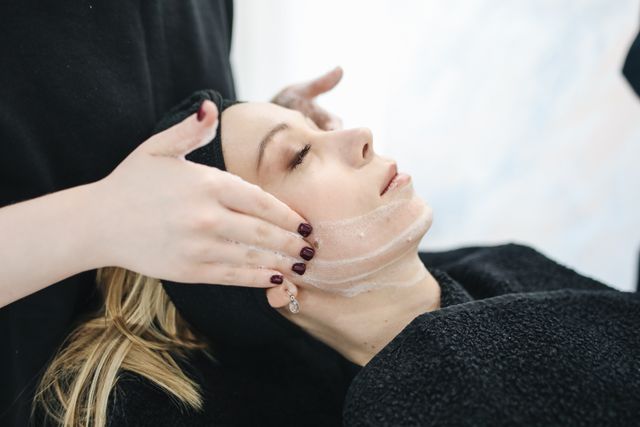
Your skin is constantly renewing itself. As new cells develop, older cells gradually move toward the surface and are eventually shed. Sometimes, however, dead skin cells can accumulate, contributing to a complexion that looks dull, rough, or uneven.
Regular cleansing helps remove everyday dirt and oil, but a professional facial can take the process further. Exfoliation is often an important part of a facial, helping to lift away dead surface cells and reveal the fresher-looking skin underneath. But how exactly does this work?
Exfoliation Does the Heavy Lifting
Exfoliation is the process of removing dead cells from the outermost surface of the skin. Facials can accomplish this in several ways, depending on the treatment selected.Some use physical exfoliation, which mechanically loosens and removes dead cells. Others use chemical or enzyme-based exfoliants that help break down the bonds holding those cells to the skin’s surface.
People exploring professional skincare treatments can find facials and other skin rejuvenation options at dermani MEDSPA® in Kennesaw, Georgia. Its Medical Grade Express Facial combines cleansing with steam, extractions, an exfoliating resurfacing masque, an enzyme masque, hydration, and SPF.
Different Treatments Exfoliate in Different Ways
Not every facial removes dead skin cells using the same technique. This variety makes it possible to choose treatments according to individual skin needs and goals. Dermaplaning, for example, involves using a sterile surgical scalpel to gently remove the top layer of dead skin cells along with fine facial hair, while microdermabrasion takes another approach, using exfoliation to target dry and dead surface skin.
HydraFacial® treatments combine multiple steps. The process cleanses and exfoliates while extracting impurities such as dead cells and dirt from the skin’s surface before delivering hydrating ingredients.
Why Remove Dead Skin Cells?
A buildup of dead cells can make the surface of the skin feel rough and appear less radiant. Removing some of that buildup through appropriate exfoliation can create a smoother, fresher appearance.
Exfoliation can also form part of a wider facial that includes cleansing, extractions, and hydration. This combination helps explain why skin may feel noticeably different immediately after certain professional treatments.More exfoliation is not necessarily better, though. Excessive or overly aggressive exfoliation can irritate the skin, so treatments should be chosen with skin type and sensitivity in mind.
What Happens After Exfoliation?
Once the exfoliation stage is complete, a facial may move on to products designed to hydrate and support the skin. Moisturizing ingredients can be especially welcome after surface buildup has been removed.
Aftercare also matters. Depending on the treatment, a skincare professional may recommend avoiding particular products or activities for a period afterward. Dermaplaning aftercare, for instance, can include temporarily avoiding additional exfoliants while the skin recovers.
Finding the Right Facial
Facials can range from relatively simple cleansing and exfoliating treatments to more involved procedures incorporating specialized equipment. The best choice depends on factors such as skin type, sensitivity, current concerns, and desired results.
A professional consultation can help identify an appropriate approach instead of simply choosing the strongest exfoliating treatment available. With the right technique and sensible aftercare, removing dead surface cells can be one useful part of maintaining skin that looks smooth, refreshed, and well cared for.