

Digital marketing in 2026 is evolving into a highly intelligent and experience-driven ecosystem. With the rapid rise of artificial intelligence and immersive technologies like augmented reality (AR) and virtual reality (VR), brands are now able to connect with consumers in more meaningful, precise, and personalized ways.
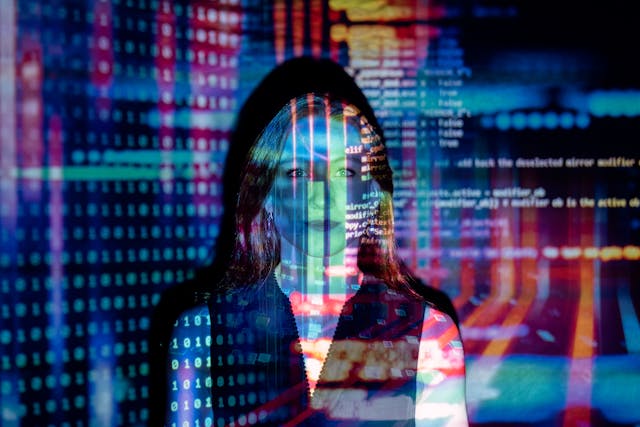
What was once broad and repetitive advertising has now transformed into data-driven, real-time, hyper-targeted communication that adapts to individual behavior and preferences.
AI at the Core of Modern Marketing
Artificial intelligence has become the central engine of today’s marketing systems. Instead of relying on general audience categories, AI tools now analyze individual user patterns—what people search, click, watch, and buy—to understand intent more deeply.
This allows businesses to deliver highly relevant content such as:
- Personalized product recommendations
- Tailored advertisements based on real-time behavior
- Smart prediction of customer needs
- Automated campaign optimization for better performance
In simple terms, marketing is becoming less about guessing what people want and more about understanding it before they even ask.
Generative AI: Speeding Up Creativity
Generative AI has changed how marketing content is created. Businesses can now produce written content, visuals, videos, and advertisements in a fraction of the time it once took.
This technology helps teams to:
- Quickly generate multiple creative ideas
- Personalize messages for different audiences
- Test and refine campaigns faster
- Reduce production costs significantly
Rather than replacing creativity, generative AI is helping marketers focus more on storytelling, strategy, and emotional connection with audiences.
Immersive Experiences: AR and VR in Marketing
Augmented Reality and Virtual Reality are bringing a new dimension to digital engagement. Instead of simply viewing ads, customers can now interact with products in a virtual environment.
For example:
- Trying furniture in a virtual room before buying
- Exploring digital showrooms from home
- Participating in interactive brand experiences
- Viewing products in real-world settings through AR apps
These immersive tools make marketing more engaging and help customers make more confident decisions.
Business Impact: Efficiency, Reach, and Growth
The combined power of AI and immersive technology is delivering strong business outcomes across industries.
1. Greater Efficiency
Marketing processes are faster and more automated. Campaign creation, audience targeting, and performance tracking now require less manual effort, allowing teams to focus on strategy and innovation.
2. Wider Reach with Precision
Brands can now reach global audiences while still delivering highly personalized messages. This balance of scale and precision was not possible in traditional marketing systems.
3. Stronger Business Growth
Better targeting and improved customer engagement are leading to higher conversion rates, improved customer loyalty, and stronger returns on marketing investment.
Even small businesses are benefiting, as advanced tools are now more affordable and accessible than ever before.
A More Responsible Digital Future
While the opportunities are significant, experts also stress the importance of responsible usage. Concerns around data privacy, ethical AI use, and over-automation are becoming more important in marketing discussions.
Balancing innovation with trust and transparency will be essential for long-term success.
Conclusion: Marketing Becomes Smarter and More Human
Despite being driven by advanced technology, the future of digital marketing is becoming more human in its impact. AI and immersive tools are not just improving efficiency—they are helping brands understand people better and create more meaningful experiences.
In 2026, successful marketing is no longer about reaching everyone. It is about reaching the right person, at the right time, with the right message—powered by intelligence, creativity, and empathy.


Leave a Reply