

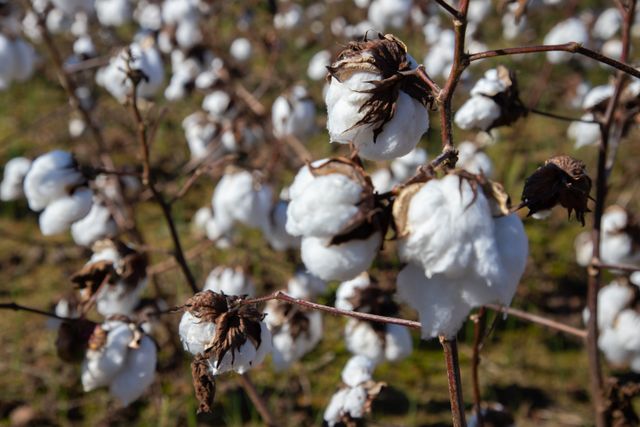
Cotton has a remarkable journey. What begins as a humble crop in India’s farmlands can eventually become a designer outfit on an international runway, a pair of denim jeans in a global retail store or a comfortable shirt worn by millions. Connecting these products are farmers, textile workers, manufacturers, designers and businesses that make cotton one of the most important links between agriculture and the global fashion economy.
China leads the world in cotton production, with India ranking among the top producers, followed by countries such as Brazil and the United States. Yet cotton’s economic value extends far beyond the quantity harvested. Its real potential lies in transforming raw fibre into yarn, fabric, garments and finished fashion products that reach consumers worldwide.
For India, this journey offers an opportunity to build on its agricultural strengths and establish an even stronger position in the international textile and fashion market.
From Farm Fields to Fashion Stores
Every cotton garment carries a story of production, craftsmanship and trade. The process begins with farmers cultivating cotton and harvesting its soft fibres. After the seeds are separated, the fibre is spun into yarn, woven or knitted into fabric, and processed before reaching garment manufacturers.
The fabric then takes shape as shirts, dresses, jeans, home furnishings and countless other products. Designers add style, manufacturers ensure quality, and retailers connect finished products with consumers.
Each stage creates economic opportunities. Cotton farming supports rural livelihoods, textile mills generate industrial employment, garment factories provide jobs, and fashion businesses create demand for design, logistics, marketing and retail services.
This is why cotton is more than an agricultural commodity. It is the starting point of a supply chain that supports businesses and livelihoods across multiple sectors.
India’s Cotton Advantage: Beyond Production
India’s strength lies in its combination of cotton cultivation, textile manufacturing and centuries-old craftsmanship. From traditional handloom fabrics and khadi to contemporary cotton apparel, Indian textiles offer a distinctive blend of heritage and modern design.
The sector also plays an important role in international trade. Government trade data for FY2025–26 placed India’s exports of textiles, apparel and handicrafts at approximately ₹3.25 lakh crore. Cotton textiles contributed significantly to this broader export basket.
However, the next phase of growth will depend on how effectively India moves beyond raw cotton and intermediate products. Exporting finished garments, premium fabrics, home textiles and innovative clothing collections can help domestic businesses capture more value from the cotton supply chain.
For farmers, stronger domestic processing can support demand for cotton. For manufacturers, it can create opportunities to expand production. For designers and entrepreneurs, it opens the door to building Indian brands that compete in international markets.
A Global Industry with Different Strengths
The international cotton economy is shaped by countries that contribute at different stages. China combines large-scale production with extensive textile-processing capabilities. Brazil and the United States are major suppliers of raw cotton, while India has a broad manufacturing base spanning yarn, fabric, clothing and traditional textiles.
Bangladesh provides another useful example. Its garment industry has established a strong position in international markets, demonstrating how efficient manufacturing and export connections can create economic value even when a country relies on imported raw materials.
For India, the opportunity is to combine its own cotton resources with modern manufacturing, reliable delivery, competitive pricing and stronger fashion branding.
Challenges That Cannot Be Ignored
Despite its strengths, India’s cotton industry faces several challenges. Crop yields, unpredictable weather, water availability and pest attacks can affect farmers’ incomes and raw material supplies. Manufacturers must also manage changing cotton prices, production costs and competition from synthetic fibres such as polyester.
Sustainability is becoming another important consideration. International buyers increasingly look at water use, chemical management, fibre traceability and responsible manufacturing. Investing in efficient technologies and improved production practices can help Indian businesses meet these expectations.
At the same time, the growing interest in distinctive designs creates opportunities for local artisans, weavers and emerging fashion labels. Combining traditional Indian textiles with contemporary styles can help businesses reach younger consumers and international buyers.
The Future: Making Every Fibre Count
India’s cotton story is entering a phase in which value creation matters as much as production. Better farming practices, modern textile facilities, skilled workers, innovative designs and stronger home-grown brands can help the country expand its presence in global fashion.
The opportunity is not simply to grow more cotton, but to create more jobs, stronger businesses and higher-value products from the cotton already being cultivated.
From the hands of farmers to the creativity of designers, cotton connects India’s rural economy with the world’s fashion markets. With a stronger focus on manufacturing, innovation and quality, India can turn its rich cotton heritage into a lasting advantage in the global fashion industry.

Leave a Reply