

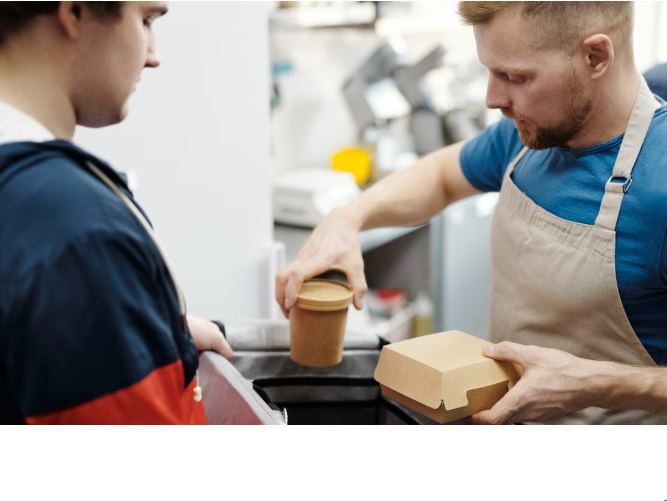
Food delivery has become an important part of India’s urban economy, changing how restaurants reach customers, how entrepreneurs build food businesses and how consumers spend their money. What was once an occasional convenience has evolved into a regular service for working professionals, families and young consumers who increasingly value time, accessibility and choice.
Behind every order is a complex commercial network connecting restaurants, technology platforms, delivery partners, packaging manufacturers, food suppliers and payment services. The expansion of this network has created new business opportunities, but it has also introduced fresh challenges involving profitability, competition and operating costs.
The industry’s growth reflects a wider shift in India’s consumption economy. Digital platforms are changing the way businesses attract customers, while changing lifestyles are creating demand for services that fit around increasingly busy schedules. However, the long-term value of food delivery will depend on whether companies can turn rising order volumes into sustainable earnings without making meals unaffordable or placing excessive pressure on restaurants and delivery workers.
A Digital Marketplace Transforming the Restaurant Business
For decades, a restaurant’s commercial success depended heavily on its location, seating capacity, local reputation and ability to attract walk-in customers. Digital food delivery has expanded that model by allowing businesses to reach consumers beyond their immediate neighbourhoods.
A small restaurant can now receive orders from customers who may never have discovered it through traditional advertising. Established chains can use online platforms to extend their reach, while new food businesses can test demand without immediately investing in multiple physical outlets.
This change has made digital visibility an increasingly important business asset. Menu presentation, customer ratings, promotional offers, delivery reliability and search rankings can influence how frequently a restaurant receives orders.
For restaurant owners, however, access to a larger customer base comes with a new competitive environment. Businesses must compete not only on food quality and pricing but also on their ability to stand out on crowded digital platforms. Marketing and promotional spending have consequently become important considerations in managing restaurant operations.
The opportunity is significant, particularly for independent eateries seeking additional revenue. Yet online visibility alone cannot guarantee commercial success. Restaurants need a clear understanding of their costs, customer preferences and the financial return generated by every order.
The Economic Impact Extends Beyond Food Delivery Apps
India’s food delivery economy contributes to a wider network of businesses and employment opportunities. Its influence extends beyond the companies that operate the apps customers use to place orders.
A 2025 study by the National Council of Applied Economic Research and Prosus estimated that the sector generated approximately ₹1.2 trillion in gross output and directly employed around 1.37 million delivery and platform workers. The broader economic ecosystem also supports food preparation, logistics, technology development, packaging and related services.
For suppliers, increasing online food sales can create demand for ingredients, disposable containers, labels, insulated bags and commercial kitchen equipment. Technology providers benefit from the need for ordering systems, payment processing, inventory management and customer analytics.
The sector also creates opportunities for small enterprises. Local food manufacturers, wholesale distributors and packaging businesses can supply restaurants operating across multiple delivery channels. As demand expands, these supporting businesses may find opportunities to increase production, develop specialised products and serve new markets.
The wider economic contribution, however, should not be confused with the profitability of individual businesses. Gross output measures economic activity rather than the money companies ultimately retain after paying expenses.
For the industry to generate lasting value, its growth must support commercially viable restaurants, efficient supply chains and dependable employment opportunities alongside expanding consumer demand.
The Profitability Challenge Behind Every Order
Food delivery platforms operate through a business model that combines restaurant commissions, customer fees, advertising, subscriptions and other services. These revenue streams support the technology and logistics required to coordinate large numbers of orders.
However, the cost of acquiring customers and fulfilling orders can be substantial. Platforms spend on promotions, delivery operations, customer support, software infrastructure and service improvements. Competition can further increase marketing expenses as companies attempt to attract new users and encourage existing customers to order more frequently.
Discounts can stimulate demand, particularly among price-conscious consumers, but excessive dependence on promotions can weaken the economics of the business. Customers may become accustomed to offers rather than developing loyalty to a platform’s service.
The challenge becomes more complicated when delivery costs rise or order volumes fluctuate. A platform must balance the cost of maintaining delivery capacity against demand that varies by location, time of day, weather and season.
Improving order density, reducing unnecessary travel and coordinating deliveries more efficiently can help strengthen operating performance. Better forecasting and more effective customer retention strategies can also reduce avoidable expenditure.
As the sector matures, the focus is likely to shift from pursuing growth at any cost towards improving the financial contribution of individual orders. Sustainable profitability will depend on operational discipline as much as customer acquisition.
Why Restaurant Revenue Does Not Always Translate Into Profit
For restaurants, food delivery provides access to an additional sales channel, but it changes the cost structure of serving customers.
A meal sold through a digital platform generates revenue that must cover ingredients, kitchen staff, rent, utilities, packaging and other operating expenses. Platform commissions and promotional discounts can further reduce the amount available to meet these costs.
A restaurant receiving more online orders may therefore experience higher sales without a corresponding improvement in profits. This is particularly challenging for small establishments operating with limited cash reserves and narrow margins.
Packaging adds another layer of expenditure. Food must remain safe, fresh and presentable during transportation, requiring suitable containers and careful preparation. Some dishes may need recipe adjustments to maintain their quality after travelling.
Restaurants are responding by reviewing their online menus, pricing individual dishes more carefully and promoting combinations that offer customers value while supporting margins. Businesses may also remove products that generate substantial sales but contribute little to earnings.
Direct ordering is another option for restaurants with established customer relationships. Their own ordering channels can reduce dependence on third-party platforms, although building customer reach, maintaining digital systems and arranging delivery also require investment.
The commercial priority is to identify which sales channels and menu items produce sustainable returns. In an increasingly competitive market, disciplined cost management can be more valuable than pursuing order volumes alone.
Cloud Kitchens Open New Doors for Food Entrepreneurs
Cloud kitchens have introduced a different approach to food entrepreneurship by concentrating on preparation and delivery rather than traditional dine-in service.
The model can reduce the need for customer seating, elaborate interiors and front-of-house operations. Entrepreneurs can test specialised cuisines, introduce new food brands and adjust menus according to customer demand without necessarily establishing a conventional restaurant.
For aspiring business owners, this can provide a more flexible route into the food industry. Shared kitchen facilities and delivery-focused operations may also allow some businesses to test a concept before committing to a larger physical presence.
However, the model is not automatically low-cost or low-risk. Rent, ingredients, staff, utilities, packaging, marketing and platform charges remain significant expenses. Competition for digital visibility can also make customer acquisition expensive.
The absence of a dining room places greater emphasis on food consistency, accurate orders, customer reviews and repeat purchases. A business that relies heavily on discounts may struggle to develop a loyal customer base once promotional spending is reduced.
Successful cloud kitchens must therefore combine focused menus with efficient procurement, reliable preparation and careful financial planning. Their strongest advantage lies in building an operating model around identifiable customer demand rather than assuming that digital access alone will generate profits.
Delivery Partners Are Central to Business Sustainability
The growth of food delivery depends on the people who collect orders, navigate traffic and ensure that meals reach customers. Their availability and performance directly affect service reliability, customer satisfaction and the operating efficiency of platforms.
Platform-based delivery work can offer flexibility and income opportunities. However, earnings may vary with order availability, distance, waiting time, incentives and local demand. Fuel, vehicle maintenance and other work-related expenses can also reduce take-home income.
These factors have implications for the wider business model. Unclear payment structures, excessive delivery pressure and inadequate support can contribute to dissatisfaction and workforce turnover. Platforms may then face difficulties maintaining reliable service, particularly during peak demand.
Road safety is another important concern. Delivery targets must account for traffic conditions and practical travel times rather than encouraging workers to take unnecessary risks. Appropriate insurance, accessible grievance mechanisms, transparent incentives and dependable assistance during emergencies can strengthen the relationship between platforms and their workforce.
Worker welfare is not separate from commercial performance. A dependable delivery network is essential to retaining customers and maintaining consistent service quality. Businesses that treat delivery partners as an integral part of their operating model may be better positioned to build resilience as competition intensifies.
Technology Is Becoming a Competitive Business Advantage
Technology sits at the centre of the food delivery economy, connecting customers, restaurants and delivery partners through a coordinated digital system.
Platforms use operational data to estimate delivery times, allocate orders and anticipate changes in demand. Artificial intelligence and data analytics can improve demand forecasting, help identify popular dishes and support decisions about delivery capacity during busy periods.
Restaurants can use digital sales records to monitor customer preferences, identify slow-moving products and improve inventory planning. Better forecasting can reduce food waste, prevent stock shortages and help kitchens organise staffing more efficiently.
Technology can also improve customer retention through relevant recommendations and personalised offers. However, these tools must be balanced with transparent pricing and a clear distinction between paid promotions and organic recommendations.
Efficiency gains are not guaranteed simply because a business adopts new technology. Poor data, inaccurate preparation estimates and weak coordination can still create delays and unnecessary costs.
The commercial advantage comes from using technology to solve operational problems. Businesses that improve forecasting, reduce wastage and deliver consistently reliable service can strengthen customer relationships while managing expenses more effectively.
Affordability Will Shape the Next Phase of Growth
Indian consumers are increasingly familiar with the convenience of online food ordering, but the final price remains an important factor in purchasing decisions.
Delivery fees, platform charges, packaging expenses and applicable taxes can make an online meal more expensive than purchasing the same food directly from a restaurant. For households managing everyday expenses, these additional costs can influence how frequently they order.
This creates a challenge for an industry that benefits from repeat purchases. If consumers perceive the total bill as poor value, they may order less frequently, choose lower-priced meals or return to direct restaurant purchases.
Subscription programmes, loyalty benefits and bundled meals can encourage repeat business, but their commercial value depends on whether they provide genuine savings while preserving sustainable margins.
Platforms and restaurants must therefore find a balance between affordability and profitability. Transparent charges, consistent service and suitable portion sizes can help customers understand the value they receive.
Affordability is particularly important as food delivery expands into smaller cities and additional consumer segments. Business models that work in high-income urban markets may not translate directly to areas where spending power and restaurant density are lower.
Growth beyond major metropolitan centres will require localised pricing, efficient delivery networks and a stronger understanding of regional food preferences.
Competition Is Reshaping the Industry’s Business Priorities
As digital food ordering becomes more established, competition is increasingly about more than attracting customers through discounts. Platforms must demonstrate that they can provide reliable service, maintain restaurant relationships and manage costs at scale.
Restaurants are also becoming more aware of the importance of channel diversification. Depending entirely on one platform can expose a business to changes in commission structures, promotional requirements or visibility. Maintaining direct customer relationships and developing multiple sales channels can provide greater commercial flexibility.
At the same time, food safety, consumer protection and applicable labour requirements remain essential to operating a dependable business. Companies must account for compliance costs, maintain appropriate processes and respond to changing regulatory expectations.
The industry’s next stage will reward businesses that understand the relationship between customer experience and financial discipline. Fast delivery may attract attention, but consistent quality, responsible operations and predictable service are more likely to support long-term loyalty.
Building a More Sustainable Food Delivery Economy
India’s food delivery industry has become an important part of the country’s changing urban consumption patterns. It is creating new ways for restaurants to reach customers, offering entrepreneurs alternative business models and supporting activity across a broad supply chain.
Yet the sector’s future will not be determined by order growth alone. Platforms must improve operational efficiency, restaurants need profitable sales, and delivery partners require working arrangements that make economic and practical sense. Consumers must also continue to see online ordering as affordable and dependable.
These priorities are closely connected. More efficient logistics can reduce unnecessary expenditure, better restaurant planning can limit food waste, and improved workforce support can strengthen delivery reliability. Together, such improvements can create a healthier commercial environment for the entire ecosystem.
Food delivery’s real economic significance lies in its ability to connect businesses with changing consumer needs. The industry has already altered how meals are marketed, sold and delivered across Indian cities. Its next chapter will depend on turning that convenience into sustainable business value through sound economics, responsible employment and a consistently better customer experience.


Leave a Reply