

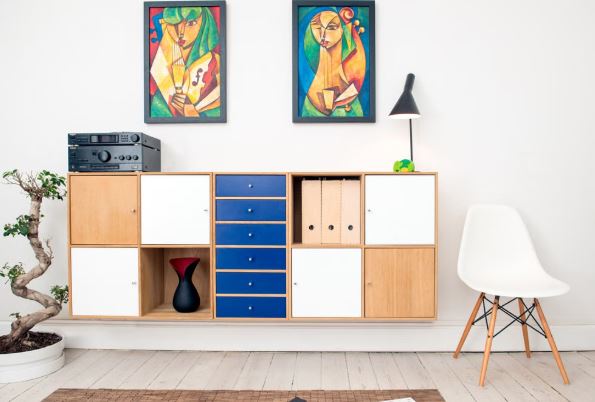
Pic Credit: Pexel
India’s furniture market is entering a new phase of growth as consumers look for products that combine comfort, design and practical use of space. With more people living in apartments and compact urban homes, furniture is no longer chosen only for its appearance. Buyers increasingly want products that offer storage, flexibility and multiple uses without making their homes feel crowded.
This change in buying behaviour is creating fresh opportunities across the furniture business. Manufacturers are developing compact and modular products, retailers are expanding their online presence, and interior design businesses are offering customised solutions for modern homes. For small and medium-sized furniture businesses, understanding this shift can help them reach new customers and build a stronger position in a competitive market.
India’s Furniture Market Is Expanding
India’s furniture industry is supported by rising household incomes, urbanisation, residential construction and changing consumer preferences. More families are investing in home improvement, while young professionals and first-time homeowners are looking for furniture that suits modern lifestyles.
Industry estimates indicate that the Indian furniture market was valued at approximately USD 29.27 billion in 2025. One market forecast projects it could reach around USD 45.52 billion by 2031, reflecting an annual growth rate of about 7.6%. Estimates differ across research firms because of variations in market coverage and methodology, but the broader outlook points towards continued expansion.
Residential demand remains an important driver, with consumers spending on beds, sofas, wardrobes, dining furniture and home-office products. At the same time, online shopping and organised retail are changing how people compare designs, prices and product quality before making a purchase.
For businesses, this growth means the opportunity is not limited to selling more traditional furniture. There is increasing scope for products designed around specific customer needs, particularly in homes where available space is limited.
Why Space-Saving Furniture Is Becoming Popular
The growing demand for compact furniture is closely connected to changing housing patterns. In many cities, apartments have limited floor areas, and families need to use bedrooms, living rooms and balconies more efficiently.
The popularity of work-from-home and hybrid work arrangements has added another requirement. A living room or bedroom may need to function as a workspace during the day and return to its usual purpose in the evening.
Consumers are therefore showing greater interest in furniture that can serve more than one purpose. A bed with storage, a foldable dining table or a wall-mounted desk can help households make better use of available space without investing in a larger home.
This trend is also relevant to rental housing, where residents may prefer movable, lightweight and easy-to-assemble furniture rather than expensive permanent installations.
Furniture Designs Driving Consumer Demand
1. Storage and Hydraulic-Lift Beds
Storage beds are becoming an attractive option for households that need additional space for clothing, bedding and other household items. Hydraulic-lift designs allow users to access storage beneath the mattress without requiring a separate cupboard or storage unit.
For manufacturers and retailers, this category offers opportunities to combine practical features with attractive designs. Businesses can differentiate their products through stronger lifting mechanisms, durable materials, easy operation and reliable after-sales service.
2. Modular and Sliding-Door Wardrobes
Traditional wardrobes often require additional floor clearance for opening doors. Sliding-door wardrobes and modular storage systems can make compact bedrooms easier to organise.
Customers are also looking for wardrobes that can be customised according to room dimensions and storage requirements. This creates opportunities for furniture manufacturers, carpenters and interior design firms to offer made-to-measure products.
Businesses that provide accurate measurements, professional installation and clear delivery timelines can build customer trust in this segment.
3. Foldable Dining Tables and Workstations
Foldable and wall-mounted furniture is becoming useful in homes where one room serves several purposes. A dining table that can be folded away after meals or a compact desk that can be closed when work is finished helps households use the same space for different activities.
Such products also appeal to students, working professionals and people living in rented apartments.
Furniture companies can develop different sizes and price ranges to serve customers with varying budgets. Simple assembly and easy maintenance can further improve the appeal of these products.
4. Convertible Sofas and Multi-Purpose Furniture
Convertible sofas, sofa-cum-beds, nesting tables and storage benches offer flexibility without requiring multiple separate pieces of furniture.
These products can be particularly useful for small families and households that occasionally need additional sleeping or seating arrangements. For businesses, multi-purpose furniture provides an opportunity to sell value through functionality rather than relying only on low prices.
5. Lightweight and Engineered-Wood Furniture
Material selection is also changing as consumers seek furniture that is affordable, durable and visually appealing. Engineered wood, metal frames and selected solid-wood designs allow manufacturers to create products for different customer segments.
Lightweight construction can make furniture easier to move, assemble and deliver. However, businesses must maintain product strength, suitable hardware and finishing quality. Poor construction can lead to customer complaints and higher replacement costs.
How the Trend Is Creating Business Opportunities
The growing demand for space-saving furniture is creating opportunities throughout the furniture value chain.
Manufacturers can develop compact product ranges for apartments, rental homes and smaller family households. Standardised designs and modular components may also help improve production efficiency and reduce material waste.
Furniture retailers can expand their product selection beyond conventional beds, tables and wardrobes. Demonstrating how one product performs multiple functions can make it easier for customers to understand its value.
Interior designers and carpenters can offer customised storage solutions, modular kitchens, compact wardrobes and workstations. These services can generate revenue beyond the sale of individual furniture pieces.
Online furniture businesses can reach customers beyond their immediate local markets. Detailed product descriptions, room measurements, assembly instructions and realistic photographs can help buyers make more informed decisions.
Small workshops and local manufacturers can also compete by focusing on specific categories, customisation and reliable service. They do not necessarily need to produce a large range of furniture to build a business. Specialising in storage beds, foldable tables or modular cabinets can help them establish a recognisable market position.
Online Retail Is Changing the Furniture Business
Digital platforms have made it easier for customers to discover furniture designs, compare prices and explore products from different sellers. This has expanded the market for organised brands as well as smaller businesses that use online channels to attract customers.
However, furniture e-commerce has different operational requirements from the sale of smaller consumer products. Large items need careful packaging, safe transportation, delivery coordination and, in many cases, professional installation.
Customers may also hesitate to purchase expensive furniture online if they cannot judge its actual size, material quality or finish. Businesses can address these concerns by providing clear dimensions, material details, product videos, customer reviews and access to physical experience centres where possible.
A combination of online discovery and dependable offline service can help furniture businesses improve customer confidence and reduce avoidable returns.
Quality, Pricing and Customer Trust Matter
As the furniture market becomes more organised, customers are paying greater attention to product durability, safety, finishing and after-sales support. Price remains important, but buyers also want furniture that can withstand regular use.
Quality requirements are becoming more relevant for manufacturers as well. India’s Furniture Quality Control Order, which came into effect in February 2026, has increased the importance of compliance and product certification for covered furniture categories. Businesses need to understand the standards applicable to their products and plan their manufacturing and sourcing processes accordingly.
For smaller manufacturers, meeting quality requirements may involve investment in better materials, production checks and documentation. Although this can increase initial costs, consistent quality can help businesses build stronger relationships with retailers, institutional buyers and individual customers.
Challenges Furniture Businesses Need to Manage
Despite the growth opportunity, space-saving furniture businesses face several challenges.
The first is cost management. Better hardware, engineered materials, customised dimensions and specialised fittings can increase production expenses. Businesses need to balance product quality with prices that their target customers can afford.
The second challenge is product durability. Foldable and convertible furniture often contains moving parts, hinges and lifting mechanisms. If these components fail, customer satisfaction can quickly decline.
Delivery and installation are also important. Incorrect measurements, damaged products and delayed assembly can affect the customer experience and increase operating costs.
Finally, competition is growing as organised brands, online sellers and local manufacturers introduce similar designs. Businesses must therefore compete through dependable quality, useful product features, transparent pricing and service rather than depending only on discounts.
What the Future Holds for India’s Furniture Industry
The future of India’s furniture market will be shaped by changing housing needs, digital retail, product innovation and demand for customised interiors. As consumers continue to look for better ways to organise their homes, compact and multi-functional furniture is likely to remain an important product category.
There is also room for businesses to explore sustainable materials, repair-friendly designs and products that can be assembled or moved easily. These features can appeal to customers who want practical furniture with a longer useful life.
For small businesses, the opportunity lies in understanding local customer needs and developing products that solve everyday problems. A well-designed storage bed, a customised wardrobe or a foldable workstation can become a strong product offering when supported by consistent quality and reliable service.
Conclusion
India’s furniture market is moving beyond conventional designs as consumers increasingly expect furniture to offer more than basic comfort and appearance. Space-saving products are becoming an important part of modern homes, creating new opportunities for manufacturers, retailers, interior designers and online sellers.
Businesses that combine practical designs with durable materials, competitive pricing and dependable after-sales support can benefit from this changing demand. In a market where available living space is often limited, furniture that helps people use every corner effectively can become a valuable business opportunity.


Leave a Reply