

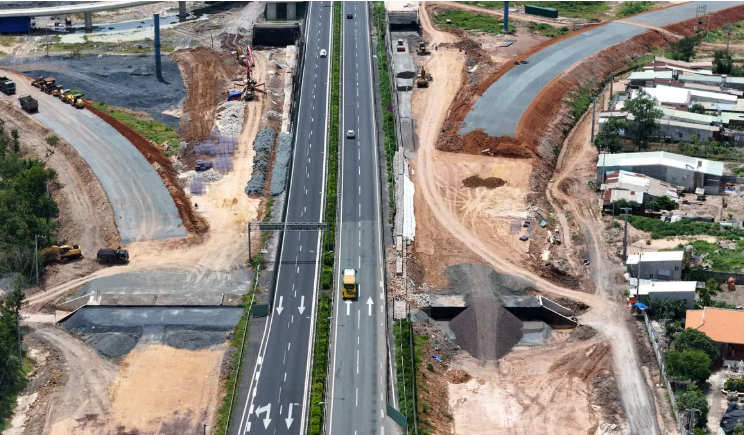
Pic Credit: Pexel
New Delhi, Aug 17: India’s infrastructure push under the PM GatiShakti National Master Plan is gaining momentum, with 396 projects worth an estimated Rs 18.66 lakh crore evaluated through the government’s Network Planning Group (NPG) mechanism.
The projects span key connectivity sectors, including roads and railways, and are aimed at creating a more coordinated infrastructure network across the country. Of the 396 projects evaluated so far, 256 have been sanctioned, while 198 are already under implementation, according to government data.
Launched in 2021, PM GatiShakti focuses on bringing infrastructure planning across different ministries and departments onto a common platform. The objective is to ensure that roads, railways, ports, airports and other connectivity projects are planned in coordination rather than in isolation.
The government has also routed logistics and connectivity projects involving investments of more than Rs 500 crore through the NPG mechanism for evaluation. This approach is intended to identify gaps, improve coordination and help reduce the time and cost involved in moving people and goods across the country.
The scale of the projects evaluated under the initiative highlights the growing importance of infrastructure in India’s economic expansion. Better connectivity can help businesses move raw materials and finished products more efficiently, while improved transport links can open up new markets and investment opportunities.
The benefits could also reach smaller businesses and consumers. More efficient logistics networks can reduce transportation delays and potentially lower supply-chain costs, while improved road and rail connectivity can make it easier for people and businesses in less-connected regions to access larger markets.
Prime Minister Narendra Modi, in his Independence Day address on August 15, emphasised the need for seamless and faster connectivity across the country under the GatiShakti framework.
Experts have also stressed that the next stage of India’s infrastructure development will require greater integration between physical infrastructure and digital systems, ensuring that connectivity works efficiently from production centres to the final consumer.
The latest figures therefore point to a broader shift in India’s infrastructure strategy—from building individual projects to creating a connected, multimodal network. If implementation remains timely and coordination improves, PM GatiShakti could play an important role in lowering logistics costs, strengthening business competitiveness and supporting long-term economic growth.


Leave a Reply