

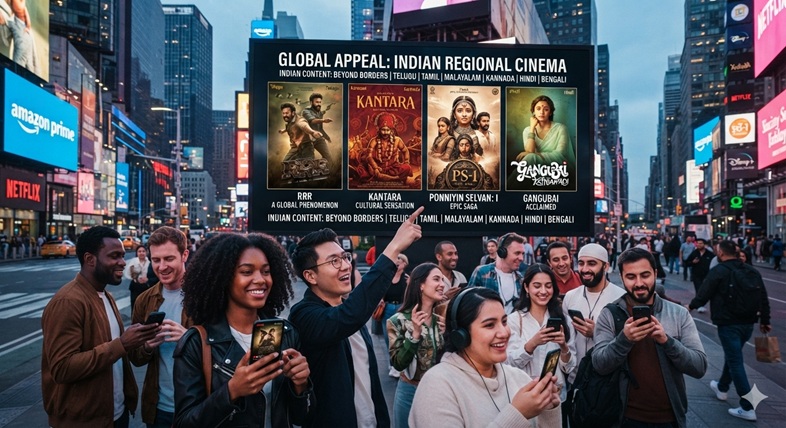
Oct 16: A story told in Malayalam, a folk song from Rajasthan or a documentary about everyday life in a small Indian town can now reach audiences thousands of kilometres away. Digital platforms are changing how people discover content, giving Indian creators new opportunities to share regional cultures, build audiences and develop sustainable creative businesses.
For regional content creators in India, this shift goes beyond gaining views and followers. It opens up possibilities in digital publishing, independent filmmaking, music, travel, brand partnerships and international content distribution. Creators who once depended on local networks can now connect with viewers across India and overseas through streaming platforms, social media, podcasts and multilingual websites.
The opportunity lies in combining authentic storytelling with effective digital distribution. Rather than abandoning their regional identities to appeal to a wider audience, creators can use their local knowledge, language and cultural experiences to make their work distinctive.
The Growing Global Appeal of Indian Regional Content
India’s cultural diversity offers a rich source of stories. Malayalam cinema, Tamil music, Bengali literature, Marathi theatre, Punjabi entertainment and regional folk traditions bring different perspectives, characters and experiences to the country’s creative landscape.
Digital platforms have made it easier for audiences to discover content beyond their familiar languages and regions. Subtitles, dubbing and social media recommendations can introduce a regional film, song or documentary to people who might otherwise never encounter it.
International audiences can also discover a broader picture of India through stories about food, family relationships, migration, traditional crafts, local festivals and changing lifestyles. These subjects offer cultural insights while exploring experiences that people across countries can understand.
For creators, this means a story does not have to originate in a major metropolitan centre to attract attention. A well-produced account of a local tradition or a community’s changing way of life can find an audience far beyond its original setting.
What Research Reveals About India’s Regional Content Market
The growing demand for Indian-language digital content is reflected in the Internet in India Report 2024, published by the Internet and Mobile Association of India (IAMAI) and Kantar in January 2025.
The report found that 870 million internet users accessed Indic-language content in 2024. It also reported that 57% of urban internet users preferred accessing internet content in Indic languages. Watching videos was the leading activity among users consuming Indic-language content.
These findings highlight the importance of language in India’s digital ecosystem. Creators who produce videos, articles and other material in regional languages can serve audiences looking for content that reflects their interests, experiences and cultural backgrounds.
The wider creator economy presents another commercial opportunity. Boston Consulting Group’s May 2025 report, From Content to Commerce: Mapping India’s Creator Economy, estimated that India had approximately 2–2.5 million monetised content creators influencing $350–400 billion in consumer spending. It projected that creator-influenced consumption could exceed $1 trillion by 2030.
These estimates concern the broader creator economy, not regional-language creators alone. Nevertheless, they demonstrate the growing influence of digital creators on consumer discovery and purchasing decisions.
Together, the reports point to two important developments: a substantial audience for Indian-language digital content and a growing commercial ecosystem in which creators can develop businesses around their work.
Digital Platforms Are Expanding Opportunities for Regional Creators
Independent creators no longer need to rely exclusively on traditional media organisations to distribute their work. Digital platforms offer ways to publish content, test audience interest and build a following without securing a conventional publishing or production deal first.
A regional filmmaker can release a short film online, a musician can distribute original songs through streaming services, and a digital publisher can develop a regional-language website. Creators can also adapt a single subject into several formats, including videos, articles, podcasts and short social media clips.
YouTube and other video platforms offer opportunities for regional-language channels, while streaming services can help selected films and series reach viewers in other markets. Podcasts and newsletters allow creators to build communities around particular languages, interests and cultural subjects.
However, visibility alone does not guarantee a sustainable career. Creators need to understand audience behaviour, maintain consistent quality and develop a clear publishing strategy. A viral post may bring temporary attention, but a recognisable identity and an engaged audience can provide a stronger foundation for long-term growth.
Subtitles, Dubbing and Translation Can Take Stories Further
Language accessibility is essential when regional content reaches unfamiliar audiences. Subtitles allow viewers to experience a film or video in its original language, while dubbing can make it accessible to people who prefer another language.
Translation tools and artificial intelligence are also making some content adaptation tasks faster and more affordable. A regional-language interview, for example, can become a subtitled video, a translated article and a series of short clips for different audiences.
Yet translation involves more than replacing words. Humour, dialects, idioms and cultural references may lose their meaning when translated too literally. Human review remains important to preserve the original tone and avoid misrepresenting a community or tradition.
Creators who combine technology with editorial judgement can expand their reach while retaining the qualities that make their work distinctive.
How Indian Content Creators Can Build Revenue
Reaching a wider audience creates opportunities to explore different income streams, although earnings depend on audience engagement, content category, distribution agreements and commercial demand.
Brand partnerships are one potential source of income. Businesses looking to connect with regional consumers may collaborate with language-specific influencers, musicians, food creators and local storytellers. A creator with a focused, engaged audience may offer a brand a relevant way to reach a particular community.
Other opportunities include platform advertising, paid subscriptions, merchandise, live performances, commissioned content, licensing and collaborations with publishers or production companies.
Creators can also develop specialised content around regional cuisine, travel, handicrafts, literature, local history, fashion and festivals. Such work may appeal to audiences interested in India’s cultural diversity and create opportunities for partnerships with tourism businesses and cultural institutions.
Building several complementary revenue streams can reduce dependence on any single platform. Creators should also understand their content rights, payment terms and licensing agreements before entering commercial partnerships.
Why Businesses Are Working With Regional Creators
Regional storytelling has applications beyond entertainment. It can help businesses communicate with customers in familiar languages and cultural contexts.
A food company might work with a regional creator to demonstrate traditional recipes. A tourism business could collaborate with a local storyteller who understands a destination’s history and customs. A small business could use regional-language videos to explain its products to potential customers.
Such collaborations can make marketing more relevant, particularly when creators understand the communities they serve. They can help brands explain products, introduce services and build relationships with specific audience groups.
However, effective regional marketing requires more than translating a national campaign. Local preferences, humour, cultural references and purchasing behaviour can vary significantly. Businesses need creators who can communicate a message naturally without losing the brand’s core meaning.
For small and medium-sized enterprises, these partnerships offer another way to build awareness and connect with customers through digital channels.
SEO Strategies to Help Regional Stories Reach More People
Social media can introduce content to new viewers, but search engine optimisation (SEO) can help useful stories remain discoverable over time.
Regional content creators in India can improve search visibility by researching the terms their audiences use, writing descriptive titles, organising articles with clear headings and providing accurate metadata. Video captions, transcripts and descriptive text can also improve accessibility and help search engines understand the content.
For example, a creator covering a regional festival could publish an article about its history, produce a video documenting the celebrations and share short clips highlighting local traditions. Each format serves a different audience need and creates additional opportunities for discovery.
Multilingual websites can help creators reach people searching in different languages. Where appropriate, content can include regional-language terms, commonly used transliterations and relevant English-language keywords without making the writing feel unnatural.
Creators should also consider mobile-friendly design, readable URLs, descriptive image alt text and clear internal links between related articles. A travel article about a local festival, for instance, could link to related guides on regional cuisine, heritage sites or cultural experiences.
These practices do not guarantee search rankings, but they can support long-term discovery and reduce dependence on social media recommendations alone.
Challenges Facing Regional Content Creators
Despite the opportunities, building a sustainable creator business remains challenging. Competition for attention is intense, platform algorithms change, and advertising income can fluctuate. Creators working in specialised categories or smaller language markets may also find it difficult to secure consistent commercial partnerships.
Copyright and licensing require careful attention, particularly when content includes music, film footage, photographs or artwork. Creators pursuing international distribution should understand territorial rights, exclusivity clauses and usage permissions before signing agreements.
Cultural representation is equally important. In the pursuit of wider reach, creators may feel pressure to simplify local traditions or adapt their stories to match assumptions about what international audiences want.
That approach can weaken the originality of the work. Strong regional storytelling does not require every detail to be explained or every story to appeal to everyone. It requires creators to present their subjects thoughtfully, provide context where necessary and remain faithful to the experiences they are sharing.
Commercial growth and cultural authenticity can support each other when creators make deliberate decisions about how their work is presented and distributed.
The Future of India’s Regional Creator Economy
The future of India’s creator economy will depend not only on the amount of content produced but also on how effectively creators connect with audiences and develop sustainable businesses.
Regional creators have an opportunity to move beyond the traditional distinction between local and global content. A story may originate in a small town, draw on a particular language or cultural tradition and still connect with viewers in other Indian states or overseas.
Achieving that reach requires investment in storytelling, audience research, translation, digital distribution and consistent engagement. Businesses, publishers and media organisations can contribute by collaborating with regional talent, respecting creative ownership and recognising the commercial value of local knowledge.
Creators, meanwhile, need to identify what makes their work distinctive and choose the platforms and formats best suited to their audiences. Not every story needs to be designed for an international market from the outset. Some will find wider recognition precisely because they offer an honest account of a particular place, community or experience.
Conclusion
Regional storytelling is creating new opportunities for Indian content creators by connecting local cultures with audiences across linguistic and geographical boundaries. Digital platforms are expanding distribution, translation tools are reducing language barriers, and the growing creator economy is opening possibilities in advertising, licensing, brand partnerships and independent publishing.
The challenge is to turn visibility into lasting value. Creators need to combine original storytelling with thoughtful distribution, audience engagement and a clear understanding of how their work can generate income.
India’s regional diversity is more than a source of cultural expression; it is a creative resource with significant potential. By making their stories accessible without losing their authenticity, Indian creators can build stronger digital businesses and introduce the country’s many voices to wider audiences.


Leave a Reply