

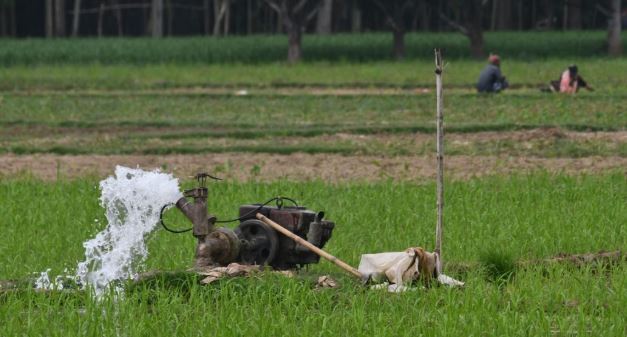
Pic Credit: Pexel
Water is one of India’s most valuable natural resources, supporting agriculture, industry, growing cities and millions of households. While rivers, reservoirs and rainfall remain important parts of the country’s water system, groundwater continues to play a vital role in meeting everyday needs. Protecting this resource is therefore essential not only for environmental sustainability but also for India’s long-term economic growth.
As demand for water increases, the country is exploring new ways to manage its underground reserves more efficiently. Advances in digital monitoring, artificial intelligence, water-efficient irrigation and rainwater harvesting are creating opportunities to make water management more scientific and accessible.
The encouraging development is that groundwater conservation is increasingly being recognised as a shared responsibility. With the right combination of technology, public participation and effective planning, India can make meaningful progress towards a more water-secure future.
Technology Brings Greater Clarity to Water Management
One of the most important steps in groundwater conservation is understanding how water levels change over time. Modern monitoring systems can help collect information about groundwater levels, rainfall and local water conditions, allowing authorities to identify areas that require attention.
Digital sensors can improve the availability of timely information, while data analysis can help water managers understand emerging patterns. This information supports better planning, helping communities and public agencies make decisions based on local conditions rather than relying solely on past experience.
Artificial intelligence can strengthen this process by analysing large amounts of environmental data. When combined with scientific measurements, it can help identify groundwater stress, assess potential recharge opportunities and improve the planning of conservation initiatives.
These technologies do not replace the expertise of water scientists or local communities. Instead, they provide additional tools to support informed decisions. Their greatest value lies in making water management more proactive, helping communities address challenges before they become more difficult to manage.
Artificial Intelligence Supports Smarter Water Planning
India’s diverse geography makes groundwater management a complex task. Rainfall patterns, soil characteristics, geological conditions and water demand vary considerably between regions. A solution that works effectively in one location may require adjustments elsewhere.
Artificial intelligence and data-driven planning can help account for these differences. By examining rainfall history, groundwater measurements and land-use patterns, digital systems can support more targeted conservation strategies.
Better information can also help public agencies assess where groundwater recharge projects may be most beneficial and where improvements in irrigation efficiency could have a greater impact.
For communities, this approach offers the possibility of more reliable planning during periods of irregular rainfall. For agriculture and industry, it can support better preparation for changing water availability.
The priority should be to develop reliable local data, make useful information accessible and ensure that technological solutions remain affordable. When digital tools are combined with sound scientific guidance, they can become valuable assets in protecting India’s water resources.
Rainwater Harvesting Can Strengthen Groundwater Reserves
Rainwater harvesting offers an important opportunity to capture seasonal rainfall and make better use of the water that might otherwise flow away as surface runoff.
Depending on local geological and environmental conditions, recharge wells, infiltration structures, restored ponds and other suitable systems can help rainwater seep into underground aquifers. Rooftop rainwater harvesting can also contribute to conservation when designed and maintained properly.
Traditional Indian water-management practices offer valuable lessons in this area. Stepwells, johads, village ponds and other community-based structures demonstrate how water can be collected and retained through locally adapted methods.
Combining these established practices with modern engineering and scientific assessment can strengthen conservation efforts. Regular maintenance, careful site selection and water-quality safeguards are essential to ensure that recharge systems deliver lasting benefits.
Groundwater replenishment is a gradual process, but consistent efforts can improve local water management and reduce dependence on excessive extraction over time.
Sustainable Agriculture Can Make Every Drop Count
Agriculture remains central to India’s water needs, making efficient irrigation an important part of the country’s conservation strategy. Improving the way water reaches crops can help farmers manage supplies more carefully while supporting agricultural productivity.
Drip irrigation and sprinkler systems can deliver water more precisely than some conventional methods. Soil-moisture sensors and improved irrigation scheduling can help farmers determine when crops need watering, reducing unnecessary use.
These approaches can also support more efficient farm operations by improving water management and helping farmers plan irrigation around crop requirements and local conditions.
However, lasting progress requires more than the adoption of equipment. Farmers need access to affordable technology, practical training, suitable financing and dependable agricultural support services. Local water conditions and crop requirements must also guide decisions about irrigation.
When conservation measures are economically practical, farmers are better positioned to adopt them over the long term. Supporting agricultural livelihoods while improving water efficiency can help create a stronger foundation for rural development.
Businesses Can Become Partners in Water Conservation
Water security is closely connected with India’s industrial development and business competitiveness. Manufacturing, food processing, construction and numerous other activities depend on reliable water supplies.
Businesses can contribute by monitoring consumption, improving water efficiency, harvesting rainwater and increasing the reuse of treated wastewater wherever appropriate. These measures can help reduce pressure on freshwater resources while improving operational resilience.
The growing need for water-management solutions also creates opportunities for innovation. Enterprises working in monitoring technology, irrigation equipment, water treatment and conservation services can support the transition towards more efficient water use.
For smaller businesses, accessible technologies and practical implementation support will be important. Partnerships between companies, local institutions and public agencies can help make water-saving solutions available to a wider range of users.
A stronger culture of water responsibility can benefit both businesses and communities. Efficient water use supports continuity of operations while helping protect a resource that many economic activities depend upon.
Community Participation Makes Conservation Sustainable
Groundwater management is most effective when local communities are involved in decisions about how water is used and replenished. Since underground water reserves often serve several users within the same area, individual efforts need to be supported by collective planning.
Community-level water assessments, regular monitoring and local conservation initiatives can help people understand the condition of their water resources. Shared responsibility can also encourage the maintenance of recharge structures and more careful use of available supplies.
Government policies have an equally important role. Investment in monitoring infrastructure, support for water-efficient agriculture and clear guidelines for groundwater use can strengthen local efforts. Electricity and irrigation policies should also encourage responsible water consumption while remaining sensitive to the financial needs of small farmers.
Public awareness can further reinforce these measures. When households, farmers, businesses and local institutions understand the value of groundwater, conservation becomes easier to integrate into everyday decisions.
Building a Water-Secure Future for India
India’s groundwater challenge also presents an opportunity to improve how the country plans for its future. Technology is making it possible to understand water conditions more clearly, while traditional conservation practices continue to offer useful approaches to capturing and retaining rainfall.
The next step is to bring these strengths together through consistent planning, scientific assessment and community participation. Groundwater conservation must become an ongoing priority rather than an activity undertaken only when water shortages arise.
Progress will depend on practical solutions that work across different regions and remain affordable for the people who use them. Reliable data, well-maintained recharge systems, efficient irrigation and responsible industrial water use can all contribute to this goal.
A water-secure India will be better placed to support productive farms, resilient businesses, healthier communities and sustainable economic growth. Protecting groundwater is not simply about preserving what lies beneath the earth. It is about creating the conditions for future generations to thrive.
With sustained investment, thoughtful policies and collective action, India can turn groundwater conservation into an important part of its development journey and build a future in which water is managed with greater care, confidence and responsibility.


Leave a Reply