

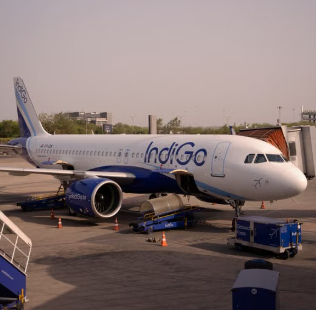
IndiGo has revised charges for several services on domestic flights, meaning passengers using facilities such as infant travel, excess baggage, priority check-in and boarding, and unaccompanied-minor assistance will now have to pay more.
The changes do not alter the basic airfare, but they could increase the overall cost of travel for passengers who require these additional services. The revisions are particularly relevant for families, passengers carrying extra luggage and travellers opting for priority facilities.
The fee for an infant travelling with an accompanying adult has been increased to Rs 3,000 from Rs 2,000. The charge applies to infants above three days and up to two years of age. Under IndiGo’s rules, an infant travels on the lap of an accompanying adult and is not assigned a separate seat.
Passengers carrying baggage beyond their permitted allowance will also face a higher bill. The excess baggage charge has been raised to Rs 800 per kg from Rs 700 per kg, making baggage planning more important for travellers looking to avoid additional expenses.
More expensive add-on services
The airline has also revised charges for passengers using specialised and convenience services.
The fee for the unaccompanied-minor service has increased from Rs 5,000 to Rs 5,999. The facility is available to eligible children travelling without an accompanying adult and remains subject to IndiGo’s applicable travel conditions.
Meanwhile, passengers choosing the combined priority check-in and priority boarding service will now pay Rs 650, compared with Rs 450 earlier. The fee for travel certificates has also increased from Rs 200 to Rs 300.
Why the revised charges matter
For airlines, passenger revenue does not come only from the basic ticket. Additional services such as excess baggage, priority facilities and special passenger assistance form part of the broader ancillary revenue model.
Revising these charges can help airlines recover the operational costs associated with providing such services while keeping them separate from the base airfare. This also allows passengers to pay for facilities according to their individual requirements.
For IndiGo, the changes could provide additional revenue from services used by passengers, while allowing the airline to maintain a separate pricing structure for its basic tickets.
Families and frequent travellers may feel the impact
The revised infant fee could add to the travel budget of families flying with young children. Similarly, the higher unaccompanied-minor charge will affect families relying on airline assistance for children travelling without parents or guardians.
The increase in excess baggage charges could have an even more visible impact on passengers travelling with heavy luggage. At the revised rate, 10 kg of excess baggage would cost Rs 8,000, compared with Rs 7,000 under the earlier fee.
For passengers who regularly choose priority services, the increase from Rs 450 to Rs 650 also adds to the cost of each journey.
Airfare is no longer the only cost to watch
The latest revision highlights a broader change in the way passengers need to evaluate air travel costs. The advertised ticket price is only one component of the final travel bill, particularly when passengers require additional baggage, family-related services or airport convenience facilities.
Travellers can therefore avoid unexpected expenses by checking the applicable baggage allowance and service charges before completing their booking.
From a business perspective, the revised fees underline the growing importance of ancillary revenue for airlines. From a passenger perspective, they reinforce the need to compare the total cost of a journey rather than the headline airfare alone.
The changes ultimately reflect the continuing evolution of airline pricing, where basic fares and additional services are increasingly priced separately to give passengers greater flexibility while helping airlines manage the cost of providing specialised facilities.


Leave a Reply