
How Digital Life Is Redefining Human Connection
The Digital Transformation of Connection
In the 21st century, digital technology has fundamentally transformed how humans connect, communicate, and maintain relationships. Social media, messaging apps, video calls, and online communities have redefined the way we interact, opening doors to opportunities previously unimaginable while simultaneously presenting new challenges. While face-to-face communication once dominated human interaction, the advent of digital platforms now allows people to engage across cities, countries, and continents with remarkable immediacy.
Digital life erases geographical boundaries, allowing relationships to flourish despite physical distance. It also expands networks beyond local communities, facilitating connections with people of shared interests or values worldwide. From dating apps to professional networking sites, technology has created entirely new avenues for relationship-building. However, this transformation also comes with costs: interactions can become shallower, emotional cues harder to convey, and the expectation of constant availability can strain social bonds. The digital age demands mindfulness to balance virtual engagement with real-world depth.
Expanding Social Circles and Global Networks
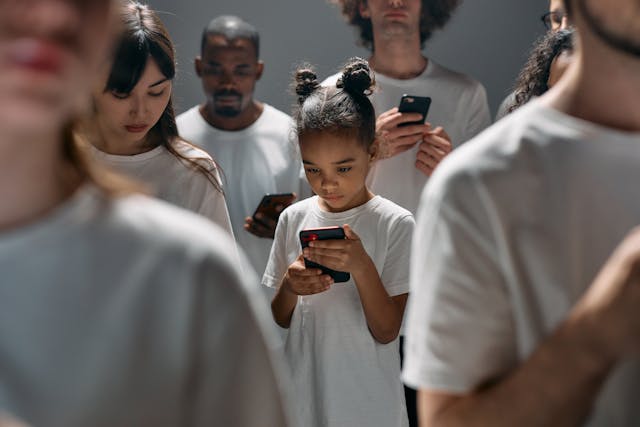
One of the most significant benefits of digital life is its ability to expand social circles. Social media platforms like Facebook, Instagram, TikTok, and LinkedIn allow individuals to form relationships and maintain connections regardless of geographical barriers. Friends, family, colleagues, and even casual acquaintances can now stay in touch in real time through messaging, video calls, or shared content.
The digital world also fosters inclusivity and accessibility. Individuals who might be marginalized or isolated in their local communities can find support online. Virtual communities, discussion forums, and online support groups create spaces for shared experiences, whether centered around hobbies, professional development, mental health, or social activism. Movements like #MeToo and Black Lives Matter demonstrate how digital networks amplify voices, mobilize communities, and create global solidarity around causes that might otherwise go unheard.
For example, remote work and global collaboration platforms like Slack, Microsoft Teams, and Zoom allow teams from different countries to collaborate seamlessly. Likewise, niche forums connect hobbyists, entrepreneurs, and professionals who would never meet otherwise, building meaningful communities that transcend physical proximity.
Instant Communication and the Age of Connectivity
Digital tools provide unparalleled convenience. Smartphones and messaging apps like WhatsApp, Telegram, and Signal enable instant communication, while video conferencing tools such as Zoom, Google Meet, and Microsoft Teams simulate face-to-face interactions. The immediacy of digital messaging fosters dynamic and ongoing conversations, making it easier than ever to stay in touch with loved ones, coordinate activities, and manage professional collaborations.
This constant connectivity offers undeniable benefits: parents can check in on children in real time, friends can celebrate milestones virtually, and colleagues can collaborate efficiently across time zones. For romantic partners, digital communication provides a lifeline when distance separates them. Online dating platforms have redefined courtship by allowing individuals to meet and form relationships outside traditional social circles, creating new avenues for companionship.
However, constant connectivity also has downsides. The expectation of immediate responses can create pressure, stress, and a sense of obligation, which may alter how individuals perceive care and attention. Overreliance on digital channels can also lead to “connection debt,” a phenomenon where interactions are plentiful but lack depth, leaving participants feeling superficially engaged or emotionally unsatisfied.
Digital Self-Expression and Identity
Digital life allows individuals to craft and share their identities in unprecedented ways. Platforms like Instagram, TikTok, and personal blogs enable creative self-expression, achievement sharing, and connection with like-minded communities. People can experiment with identities, showcase skills, or promote causes they care about, cultivating relationships based on shared values and interests.
For example, a budding artist can use Instagram to gain recognition, while a gamer can find global peers through Discord or Twitch. These digital expressions often foster empathy and understanding, as people connect over experiences that might remain invisible in offline settings. In essence, technology has democratized the ability to shape and project one’s identity, making the world more interconnected.
Yet, this opportunity comes with potential drawbacks. Online self-expression can be performative, filtered, or curated, often emphasizing quantity over quality in relationships. The gap between an individual’s digital persona and real-world identity can lead to misunderstandings, shallow interactions, or feelings of inadequacy when comparing oneself to highly curated representations.
Challenges to Authentic Connection
Despite its advantages, digital life can compromise the depth of human connection. Mediated interactions lack many of the subtle emotional cues present in physical communication—facial expressions, body language, and tone are harder to interpret in text-based formats. Even video calls, while immersive, cannot fully replicate the sensory richness of in-person interactions. This shift challenges emotional intelligence, as the ability to empathize and regulate responses may be weakened without consistent face-to-face practice.
Moreover, the digital environment encourages constant engagement and information consumption, which can be overwhelming. Notifications, social feeds, and the pressure to maintain an online presence may distract from real-world relationships, causing superficiality in interactions and potential emotional exhaustion.
Redefining Community
Digital platforms have reimagined the very concept of community. Online groups and forums allow people to find belonging beyond physical proximity. Individuals can participate in support groups, virtual meetups, and interest-based communities that provide emotional support, advice, and social engagement. For example, someone navigating a rare medical condition can connect with a global support group, gaining insight and empathy that might not be available locally.
At the same time, these virtual communities can blur the lines between private and public life, with personal experiences often shared widely. Navigating these spaces requires discernment and conscious curation of digital presence to maintain authenticity and privacy.
The Balance Between Digital and Physical Interaction
The key to meaningful human connection in the digital age is balance. Digital tools should complement, not replace, in-person interactions. Mindful usage—being aware of when to engage online versus offline—ensures relationships remain robust and emotionally fulfilling. For instance, using video calls to bridge long distances is invaluable, but prioritizing physical gatherings strengthens bonds and allows nuanced emotional communication.
Additionally, integrating online and offline connections can create richer experiences. Friends or colleagues met digitally may be invited to physical meetups, bridging virtual relationships into real-world communities. This blending preserves authenticity while leveraging the convenience and reach of digital life.
Cultural Implications and the Digital Divide
The rise of digital communication has not impacted all societies equally. A digital divide persists, where access to reliable internet and digital literacy varies by socio-economic status, age, and geography. Those on the disadvantaged side may experience cultural displacement, reduced networking opportunities, and exclusion from online conversations shaping global discourse.
Furthermore, overreliance on digital interactions can alienate individuals who lack access or proficiency, leading to social isolation. Addressing this divide requires both technological infrastructure and education to ensure equitable participation in the digital world.
Positive Redefinitions of Connection
Despite its challenges, digital life has redefined human connection positively in several ways:
-
Global Accessibility: Friends, family, and colleagues can communicate across continents instantly, making distance less relevant.
-
Expanded Networks: Communities form around shared interests, not just geography, fostering support and solidarity.
-
New Relationship Avenues: Online platforms enable meeting potential partners, maintaining relationships, and building professional networks.
-
Inclusivity: Marginalized voices gain platforms for expression and advocacy.
-
Convenience and Efficiency: Planning, collaboration, and daily interactions occur in real time with minimal effort.
Challenges and Shifts in Digital Interaction
While the benefits are substantial, digital communication presents notable challenges:
-
Superficiality: Emojis, short messages, and filtered interactions can replace nuanced conversations.
-
Constant Availability: Expectations for immediate replies create pressure and stress.
-
Mediated Interaction: Physical presence is reduced, altering the texture and richness of relationships.
-
Information Overload: Excessive digital engagement can overwhelm and negatively impact emotional well-being.
-
Blurred Boundaries: Online sharing often blurs private and public life, complicating personal and professional interactions.
The Future of Human Connection
Emerging technologies promise to further redefine connectivity. Artificial intelligence (AI) can personalize communication, suggest optimal engagement times, and facilitate efficient relationship management. Virtual reality (VR) offers immersive environments for social interaction, bridging geographical barriers and enhancing the sense of presence in digital interactions. These innovations could allow remote social experiences to feel increasingly lifelike, supporting those who struggle with in-person communication due to social anxiety, disability, or distance.
However, the future also requires mindfulness: as interactions become increasingly mediated, preserving emotional intelligence, empathy, and authentic connection remains essential.
Mindful Integration of Digital Life
Digital life has redefined human connection by providing instant communication, global accessibility, new forms of relationships, and vast community-building opportunities. At the same time, it challenges authenticity, emotional depth, and balance in human interaction. To thrive in this landscape, individuals must adopt mindful digital practices—bridging online connections into real-world engagement, balancing screen time with physical interaction, and valuing quality over quantity in communication.
By embracing the positive aspects of digital life while consciously addressing its pitfalls, humans can cultivate relationships that are richer, more inclusive, and resilient. The digital evolution is not a replacement for authentic human connection—it is a tool to enhance, expand, and enrich it. In this age of technological transformation, the challenge is clear: integrate virtual ties with real-world depth, ensuring that digital connectivity strengthens, rather than diminishes, the essence of human relationships.
Photo by cottonbro studio: