

Mumbai, Sep 16: GEON, the future technologies division of Kabra Extrusiontechnik Ltd, has commissioned its 10 MW/20 MWh Battery Energy Storage System Project at Phalodi, Rajasthan. The project was commissioned, marking another step towards strengthening energy storage infrastructure and enabling more efficient integration of renewable energy into the electricity grid.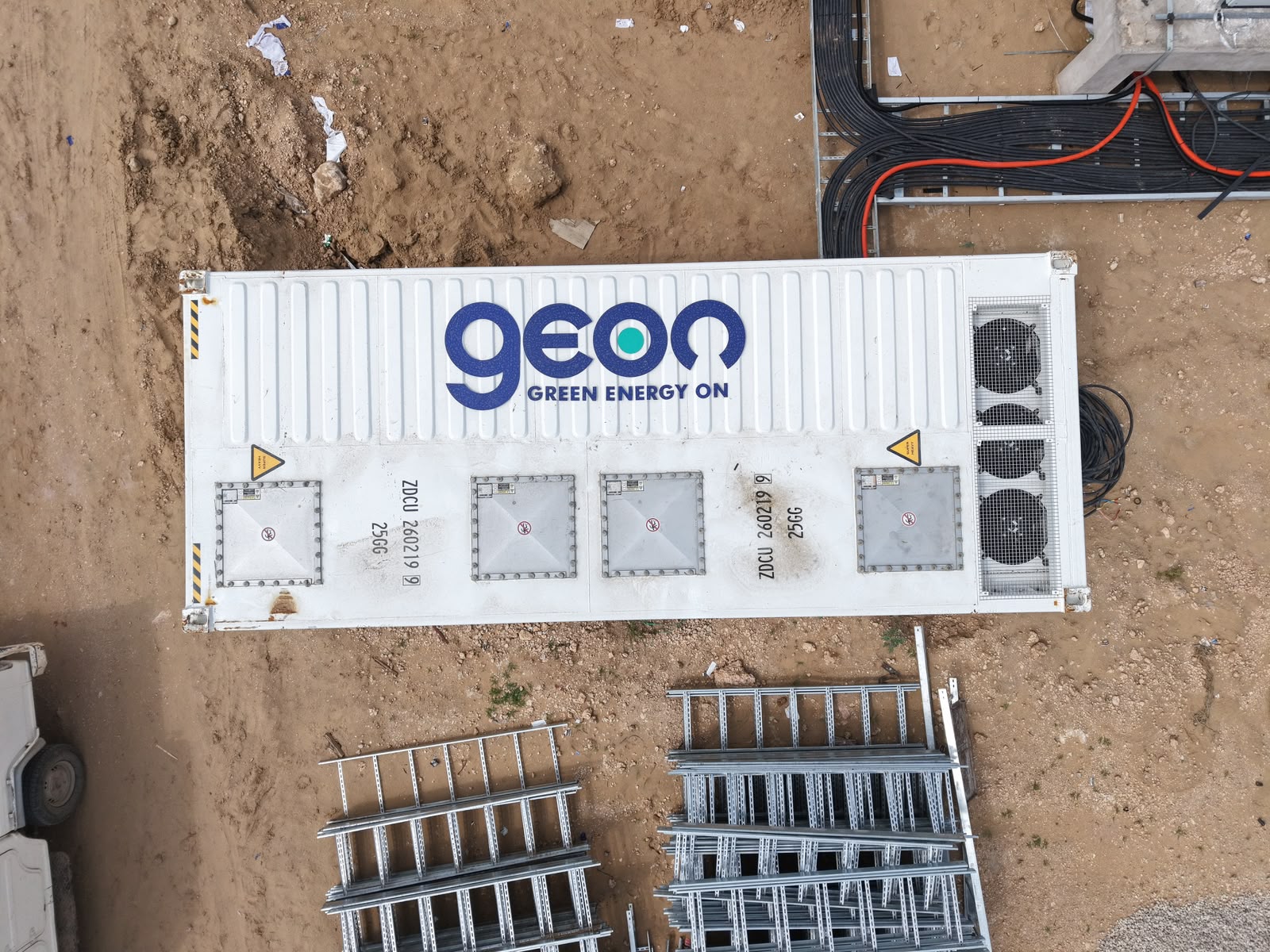
The BESS project has been designed, executed, tested and commissioned in line with the applicable technical specifications, performance requirements and project obligations. The project encompasses the BESS container, Power Conversion System, Energy Management System, Factory Acceptance Testing, pre-commissioning, commissioning and Site Acceptance Testing.
With a 10 MW power capacity and 20 MWh energy storage capacity, the system is designed to support efficient energy management, improve grid stability and facilitate the effective integration of renewable energy into the power network. The project is being implemented under the requirements of Rajasthan Rajya Vidyut Prasaran Nigam Limited.
The project also aligns with Rajasthan‘s evolving policy framework for renewable energy and green energy access.
Policy/Regulation Reference: Rajasthan Electricity Regulatory Commission (Green Energy Open Access Registration and Terms and Conditions) Regulations, 2025
The environmental impact of battery energy storage becomes particularly significant when the system is charged using renewable energy. As per NITI Frontier Tech Hub, a BESS system of this scale can contribute to approximately 1,00,000 metric tonnes of CO₂ savings over a 10–15 year operational lifecycle when charged with renewable energy. This highlights the potential of energy storage to support India’s broader transition towards a cleaner and more flexible power ecosystem.
Commenting on the commissioning, Anand Kabra, Chairman and Managing Director, GEON said,
“The successful commissioning of our 10 MW/20 MWh BESS project at Phalodi is an important milestone in our journey towards building a more resilient and renewable-ready power ecosystem. Energy storage will play a critical role in balancing renewable generation with demand, improving grid stability and enabling greater utilisation of clean energy. We are pleased to contribute to Rajasthan‘s growing renewable energy landscape through projects that combine reliable technology with long-term sustainability.”
The commissioning further highlights the growing importance of BESS infrastructure in India’s renewable energy transition, particularly as the country continues to expand solar and wind generation and requires reliable solutions for managing intermittency, peak demand and grid flexibility.


Leave a Reply