

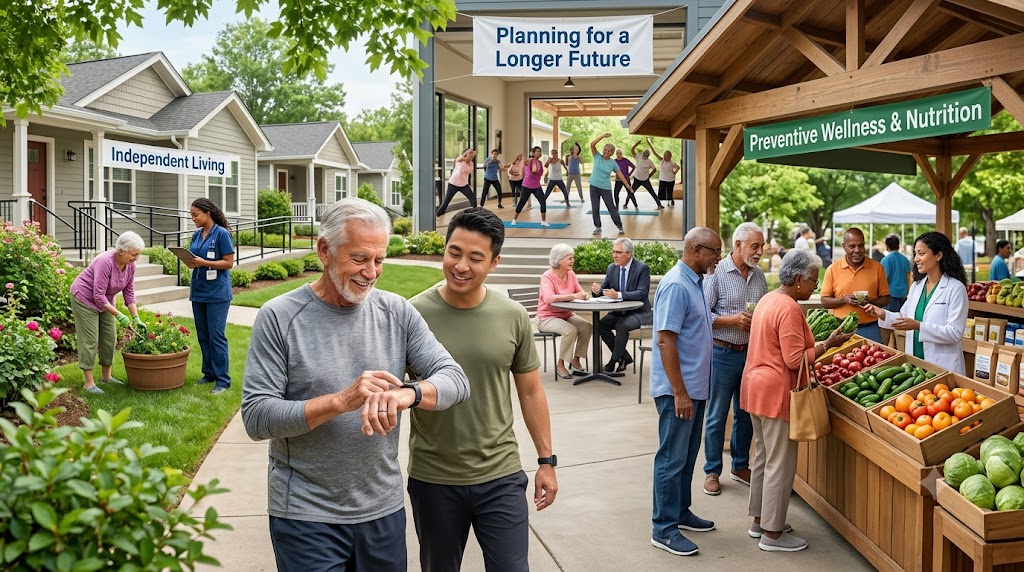
Living longer is changing what people expect from their health, lifestyle and financial future. Increasingly, the goal is not simply to add more years to life, but to remain healthy, active and independent for as long as possible. This shift is creating new opportunities for businesses across healthcare, wellness, nutrition, technology and financial services.
Known as the longevity economy, this growing market reflects the needs and spending power associated with longer lives and an ageing population. It also includes younger consumers who are becoming more proactive about their health, seeking ways to maintain physical fitness, manage stress and reduce future health risks.
For businesses, this represents a shift from focusing primarily on treating illness to supporting wellbeing throughout life. Preventive health services, personalised fitness programmes, age-friendly housing and home-based care are becoming increasingly relevant as consumers look for practical ways to improve their quality of life.
The opportunity extends beyond medical treatment. Companies that understand the changing needs of people at different stages of life can develop products and services that combine convenience, affordability and long-term value.
Preventive Healthcare Creates New Business Opportunities
Healthcare is an important part of the longevity economy as consumers and providers place greater emphasis on early detection, risk management and ongoing health monitoring.
Regular health assessments, appropriate screening, personalised care plans and digital consultations can help people manage their health more proactively. Wearable devices and remote monitoring technologies are also creating new ways to track activity, sleep and selected health indicators.
For businesses, these developments offer opportunities in diagnostics, digital health platforms, preventive care services and health-focused employee programmes. Healthcare providers can also develop services that help patients maintain continuity of care rather than relying solely on occasional consultations.
However, technology cannot replace appropriate medical advice, and not every health measurement provides a complete picture of a person’s wellbeing. Businesses must ensure that their services are supported by credible evidence and communicate their limitations clearly.
Nutrition, Fitness and Wellness Gain Importance
The growing interest in healthy ageing is influencing how consumers approach food, exercise, sleep and everyday wellness. Many people want practical ways to maintain strength, mobility and energy as they grow older.
This creates opportunities for nutrition businesses, fitness centres, wellness providers and digital coaching platforms. Products and services designed for different dietary needs, fitness levels and stages of life can help businesses serve a wider customer base.
Fitness providers, for example, can offer programmes that focus on strength, flexibility, balance and mobility. Nutrition companies can develop convenient, balanced food options, while wellness platforms can help consumers establish more consistent exercise and sleep routines.
At the same time, the market requires responsible communication. Claims that a particular supplement or wellness product can reverse ageing or significantly extend life should not be accepted without strong scientific evidence. Businesses that prioritise product quality, transparency and realistic benefits are more likely to earn consumer confidence.
Technology Supports Independent Living
Many older adults want to continue living in their own homes while maintaining their independence. This preference is increasing interest in home healthcare, assistive devices and digital services that make everyday life safer and more convenient.
Remote consultations, medication reminders, emergency alert systems and accessible home modifications can support people managing daily activities. Home-care providers can also help families arrange assistance for older relatives without relying entirely on institutional care.
For entrepreneurs, opportunities exist in care coordination, accessible technology, home-based services and platforms connecting families with qualified professionals.
Ease of use will be essential to success. Services must be designed around different levels of digital confidence, mobility and accessibility. Affordable pricing and reliable customer support can also help make these solutions available to more households.
The Silver Economy Extends Beyond Healthcare
The longevity economy is creating opportunities in sectors that have traditionally operated separately from healthcare.
Financial service providers are adapting to longer retirement periods and changing savings needs. Housing businesses are exploring accessible homes and communities designed to support independent living. Travel companies can develop experiences that account for different mobility requirements, while retailers can make products easier to use for people with varying physical abilities.
Employers also have a role to play as more people seek to remain professionally active for longer. Flexible work arrangements, continued training and age-inclusive workplace practices can help businesses retain experienced employees.
These changes demonstrate that healthy ageing is not limited to a single industry. It is influencing how companies design products, deliver services and respond to the needs of a changing population.
Affordability and Trust Will Shape Market Growth
Despite the opportunities, access remains a challenge. Preventive health services, specialised wellness products and home-care arrangements can be expensive, particularly for households with limited savings.
Businesses that develop affordable services and flexible pricing models may be able to reach a wider market. Simple digital tools, community-based services and partnerships with healthcare providers can also help improve accessibility.
Trust is equally important. Consumers may be drawn to products promising dramatic improvements in longevity, but unsupported claims can create confusion and financial risk. Companies should clearly distinguish established practices from emerging research and avoid promising guaranteed health outcomes.
Responsible marketing, transparent pricing, data protection and reliable service will be central to building lasting relationships in this market.
Conclusion
The business of longevity is evolving as consumers seek more than longer lives. They want to remain healthier, more independent and better prepared for the physical, social and financial demands of ageing.
This creates opportunities across preventive healthcare, nutrition, fitness, digital health, home-based care, housing and financial services. Businesses that understand these changing needs can develop products and services that offer practical value while reaching new customer groups.
Long-term success will depend on making healthy ageing accessible, evidence-based and relevant to everyday life. Companies that combine innovation with affordability, trust and thoughtful design can help address an important social need while building sustainable business opportunities.
As longevity becomes a greater part of consumer decision-making, healthy ageing is set to play an increasingly important role in shaping the future of business.


Leave a Reply